


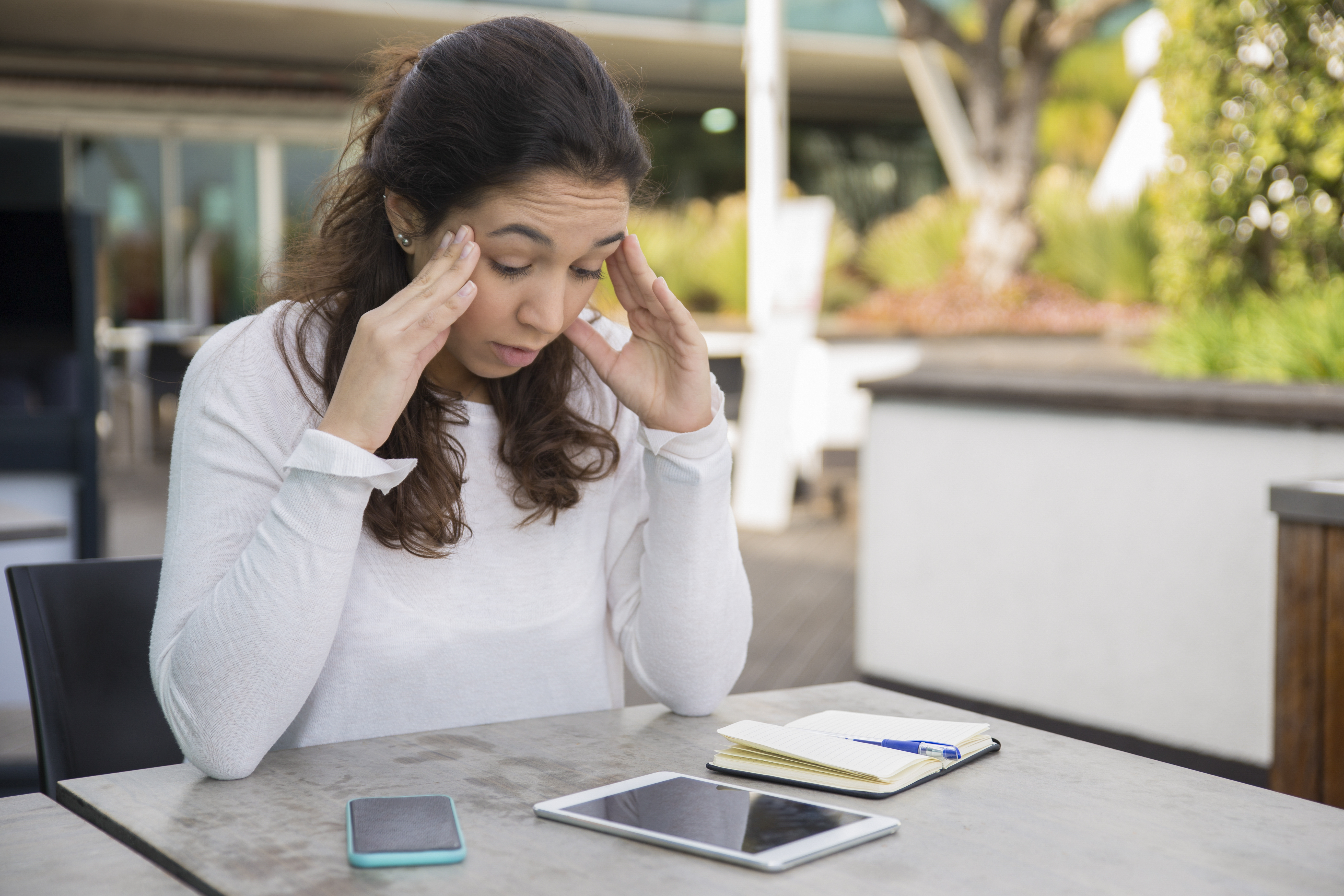
Stress and anxiety are common problems in today's fast-moving world. Work pressure, family responsibilities, and personal expectations can make life overwhelming. Many people search for how to manage stress and anxiety, but the real solution comes from understanding your thoughts, emotions, and behaviour patterns. If stress is affecting your daily life, getting help from a professional counsellor can make a big difference.
People often ignore early symptoms, but learning about therapy and mental wellness can help you understand how counselling sessions work and when you should consider getting help.
How to Control Anxiety and Stress?
To understand how to manage stress and anxiety, you first need to know what causes them. Stress usually comes from pressure, while anxiety comes from fear of what may happen in the future. Many people learn relaxation techniques during therapy sessions where counsellors teach breathing exercises, grounding methods, and emotional control techniques.
Regular exercise, proper sleep, and a balanced routine help — but when stress becomes difficult to control, it is better to talk to a professional counsellor instead of handling everything alone. Professional support can help you understand the root cause of anxiety and learn healthy coping methods.
How Do You Manage Your Stress?
Managing stress means learning how to respond calmly to difficult situations. When people search for how to manage stress and anxiety, they often discover that counselling plays an important role in emotional balance. With the help of professional stress counselling, you can learn how to control thoughts, improve reactions, and stay mentally strong.
Simple habits like journaling, meditation, and talking to someone you trust can help — but if stress continues for a long time, you should consider getting professional support. Many people also explore therapy options and learn about the counsellor before scheduling their first session.
The WHO reports that stress-related disorders affect over 264 million people globally. Early counselling intervention reduces symptom severity by up to 60% compared to self-management alone.
What Are the 4 A's of Stress Management?
Psychologists often explain how to manage stress and anxiety using the 4 A's rule — Avoid, Alter, Adapt, and Accept. These techniques help people handle pressure in a healthy way and are commonly taught during counselling sessions.
Avoid
Eliminate unnecessary stressors when possible. Learn to say no and set healthy boundaries in life.
Alter
Change the situation if you have the power. Communicate openly and manage your time better.
Adapt
Shift your perspective and standards. Practice positive thinking and adjust your expectations.
Accept
Release what you cannot control. Forgive, learn from it, and move forward with clarity.
What Are the Five Stress Management Techniques?
Students learn basic stress management in school, but adults also need these skills when learning how to manage stress and anxiety in real life. Some of the most effective techniques include time management, relaxation exercises, positive thinking, social support, and maintaining a healthy lifestyle.
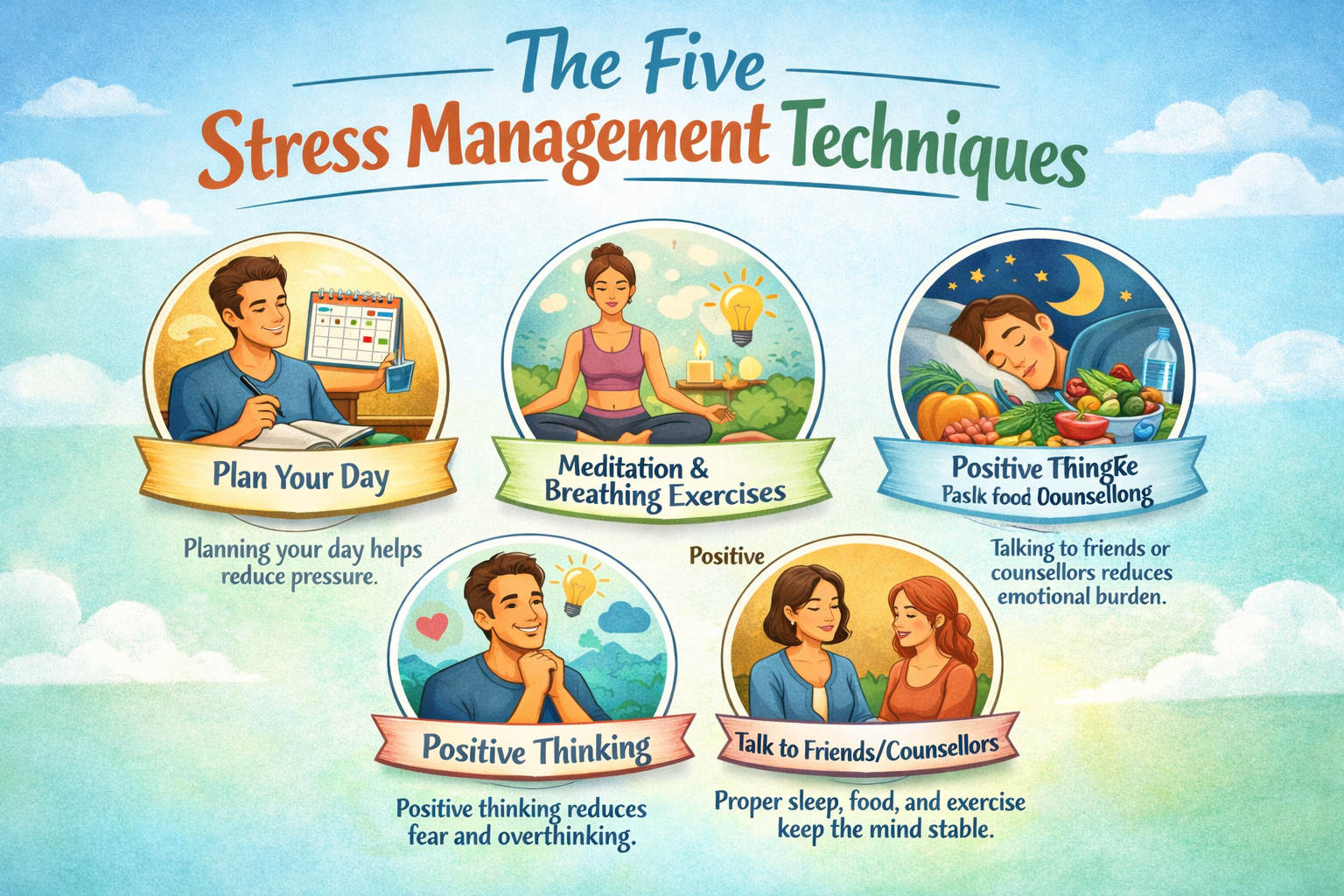
- Planning your day and prioritising tasks reduces daily pressure significantly
- Meditation and deep breathing exercises calm the mind and lower cortisol levels
- Positive thinking reduces fear, overthinking, and negative thought patterns
- Talking to friends, family, or a counsellor reduces emotional burden
- Proper sleep, nutritious food, and regular exercise keep the mind stable and strong
Learning these techniques with professional guidance makes the process easier and more effective.
What Is the 3-3-3 Rule for Anxiety?
The 3-3-3 rule is a grounding technique used to control anxiety quickly. It is often taught in therapy when people want to learn how to manage stress and anxiety in daily life.
Name 3 things you see around you | Name 3 sounds you hear | Move 3 parts of your body. This grounding technique anchors your mind to the present and reduces anxiety within seconds.
Grounding exercises are very helpful for people who experience sudden anxiety, panic, or nervousness. If anxiety attacks happen often, talking to a therapist can help you learn more personalised coping methods.
When Should You Seek Professional Help?
You should consider counselling if stress and anxiety cause sleep problems, panic attacks, anger, relationship issues, or constant worry. Many people who search for how to manage stress and anxiety feel better after starting therapy because they understand their emotions more clearly.
- Sleep problems persisting for more than 2 weeks due to worry or fear
- Frequent panic attacks or sudden feelings of intense dread
- Difficulty maintaining relationships because of emotional reactivity
- Signs of depression alongside ongoing stress
- Patterns of negative thinking that feel impossible to break alone
- Physical symptoms like headaches, chest tightness, or fatigue from stress
Professional counselling provides a safe space to talk, express feelings, and learn healthier ways to deal with life challenges. Ignoring stress for a long time can make it stronger, so getting help early is always a better choice.
Conclusion
Learning how to manage stress and anxiety is one of the most important steps toward a peaceful and healthy life. Stress cannot always be avoided, but it can be controlled with the right habits, emotional awareness, and proper support.
Simple techniques like breathing exercises, positive thinking, a healthy routine, and counselling can help you feel calm, confident, and emotionally strong. If stress feels too heavy, a professional counsellor can help you move forward with clarity and balance.
Book a Free Consultation1. How to manage stress and anxiety naturally?
You can manage stress and anxiety naturally by practising deep breathing, regular exercise, meditation, proper sleep, and positive thinking. Talking to a counsellor and learning emotional control techniques can also help reduce stress in a healthy way without relying on medication.
2. What is the fastest way to calm anxiety?
One of the fastest ways to calm anxiety is the 3-3-3 rule — look at three things, listen to three sounds, and move three parts of your body. This helps your mind focus on the present moment and reduces panic immediately.
3. What are the symptoms of stress and anxiety?
Common symptoms include overthinking, fast heartbeat, sweating, sleep problems, anger, restlessness, fear, and feeling overwhelmed. If these symptoms continue for a long time, professional counselling may be strongly recommended.
4. When should I see a counsellor for stress and anxiety?
You should see a counsellor if stress affects your sleep, work, relationships, or daily life. If you feel worried all the time, have panic attacks, or cannot control your thoughts, therapy can help you feel better and regain emotional control.
5. Can therapy help with stress and anxiety?
Yes, therapy is one of the most effective ways to manage stress and anxiety. Counselling helps you understand your emotions, control negative thoughts, and learn healthy coping techniques that last long after sessions end.
6. What are the best daily habits to reduce stress?
Good daily habits include proper sleep (7–9 hours), exercise, meditation, healthy food, limited screen time, talking to loved ones, and taking breaks from work. These habits collectively keep the mind calm, resilient, and emotionally balanced.
7. Why do I feel anxious for no reason?
Sometimes anxiety happens without a clear reason because of overthinking, past experiences, lack of sleep, or emotional pressure that has built up over time. Counselling helps identify the root cause and teaches evidence-based ways to manage it effectively.