


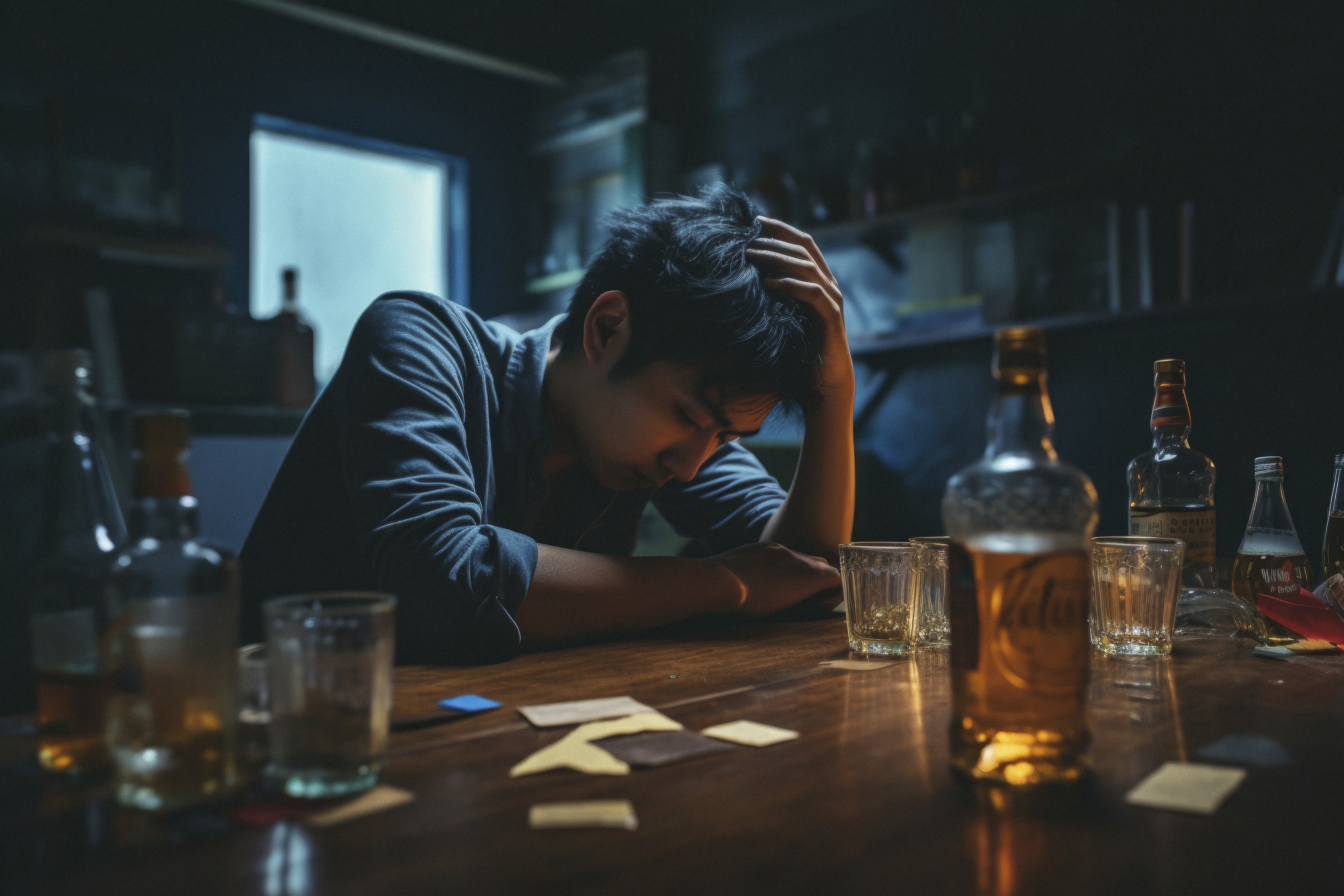
De-addiction means the process of stopping harmful habits such as alcohol, drugs, smoking, or any behavior that a person becomes dependent on. Addiction can affect both the mind and body, making it difficult to live a healthy and balanced life. Many people want to quit addiction but find it hard without proper support. With the help of de addiction counselling, a person can understand the cause of addiction, control cravings, and slowly return to a normal life.
Addiction is not a weakness. It is a condition that can happen due to stress, emotional problems, or repeated use of substances. De-addiction focuses on recovery, self-control, and building a healthier lifestyle. In this guide, we will explain the meaning of de-addiction, types of addiction, the role of specialists, and how de addiction counselling, helps people recover.
What do you mean by de-addiction?
De-addiction means removing the habit of addiction and helping a person live without depending on harmful substances or behaviors.
De-addiction includes:
- Stopping drug or alcohol use
- Controlling cravings
- Improving mental health
- Changing lifestyle
- Building self-control
- Learning healthy habits
De-addiction is a process, not a single step. It takes time, support, and guidance. de addiction counselling, helps people stay strong during recovery.
What is meant by addiction?
Addiction is a condition where a person cannot stop using a substance or doing a behavior even when it causes harm.
Addiction may include:
- Alcohol addiction
- Drug addiction
- Smoking addiction
- Mobile addiction
- Gambling addiction
- Internet addiction
- Gaming addiction
Addiction affects the brain and makes a person feel the need to repeat the habit. Without help, addiction can become stronger. Counselling helps control the habit.
What is a de-addiction specialist?
A de-addiction specialist is a trained professional who helps people recover from addiction.
They may be:
- Counsellors
- Psychologists
- Psychiatrists
- Therapists
- Rehabilitation experts
- Understanding the cause
- Giving therapy
- Teaching coping skills
- Supporting recovery
- Preventing relapse
A specialist helps by:
Getting professional help makes recovery easier. de addiction counselling, is an important part of treatment.
What are three types of addiction?
Addiction can be divided into three main types.
- 1. Substance addiction Addiction to alcohol, drugs, or nicotine.
- 2. Behavioral addiction Addiction to phone, gaming, gambling, or internet.
- 3. Emotional / psychological addiction Dependence on certain feelings or habits. Each type affects the brain differently. All types need proper support. Counselling helps understand the root cause.
What is an example of decriminalisation?
Decriminalisation means removing criminal punishment for certain activities but still controlling them by law.
Example: Some countries allow small amounts of drugs for personal use but still provide treatment instead of punishment.
The goal is to help people recover instead of only punishing them. De-addiction programs focus on treatment, not punishment. Counselling plays a big role in recovery.
What are the 4 types of drugs?
Drugs can affect the brain in different ways.
Four common types:
- Depressants – slow the brain (alcohol, sleeping pills)
- Stimulants – increase energy (cocaine, nicotine)
- Hallucinogens – change thinking (LSD, some chemicals)
- Opioids – reduce pain but cause addiction (heroin, morphine)
All drugs can be harmful if misused. De-addiction treatment helps control dependency.
Signs that a person needs de addiction counselling
Some signs show that a person needs help.
- Cannot stop using substance
- Cravings often
- Health problems
- Mood changes
- Anger or stress
- Loss of interest in life
- Problems at work or home
- Isolation from others
Early help makes recovery easier. Counselling helps break the habit.
How de addiction counselling helps
De addiction counselling helps people:
- Understand the cause of addiction
- Control cravings
- Manage stress
- Build self-discipline
- Improve mental health
- Avoid relapse
- Create healthy habits
Counselling supports both mind and body. Recovery becomes possible with guidance.
Tips to overcome addiction
- Accept the problem
- Avoid triggers
- Stay with supportive people
- Keep busy
- Exercise regularly
- Talk to counsellor
- Stay patient
Recovery takes time. Small steps lead to big change.
Conclusion
De-addiction means breaking free from harmful habits and building a healthy life. Addiction can affect anyone, but with the right support, recovery is possible. Understanding addiction and taking professional help can make the process easier. de addiction counselling, helps people control cravings, improve mental strength, and return to normal life. With patience, support, and guidance, anyone can overcome addiction. Every step toward recovery is a step toward a better life.
FAQ-Frequently Asked Questions
1. What is de-addiction?
+It is the process of stopping addiction.
2. What is addiction?
+Dependence on substance or behavior.
3. Who is a de-addiction specialist?
+A professional who helps people recover.
4. What are types of addiction?
+Substance, behavioral, and emotional.
5.Can addiction be treated?
+Yes, with counselling and support.
6. What drugs cause addiction?
+Alcohol, nicotine, opioids, stimulants, etc.
7. When should I take counselling?
+When addiction affects daily life.