


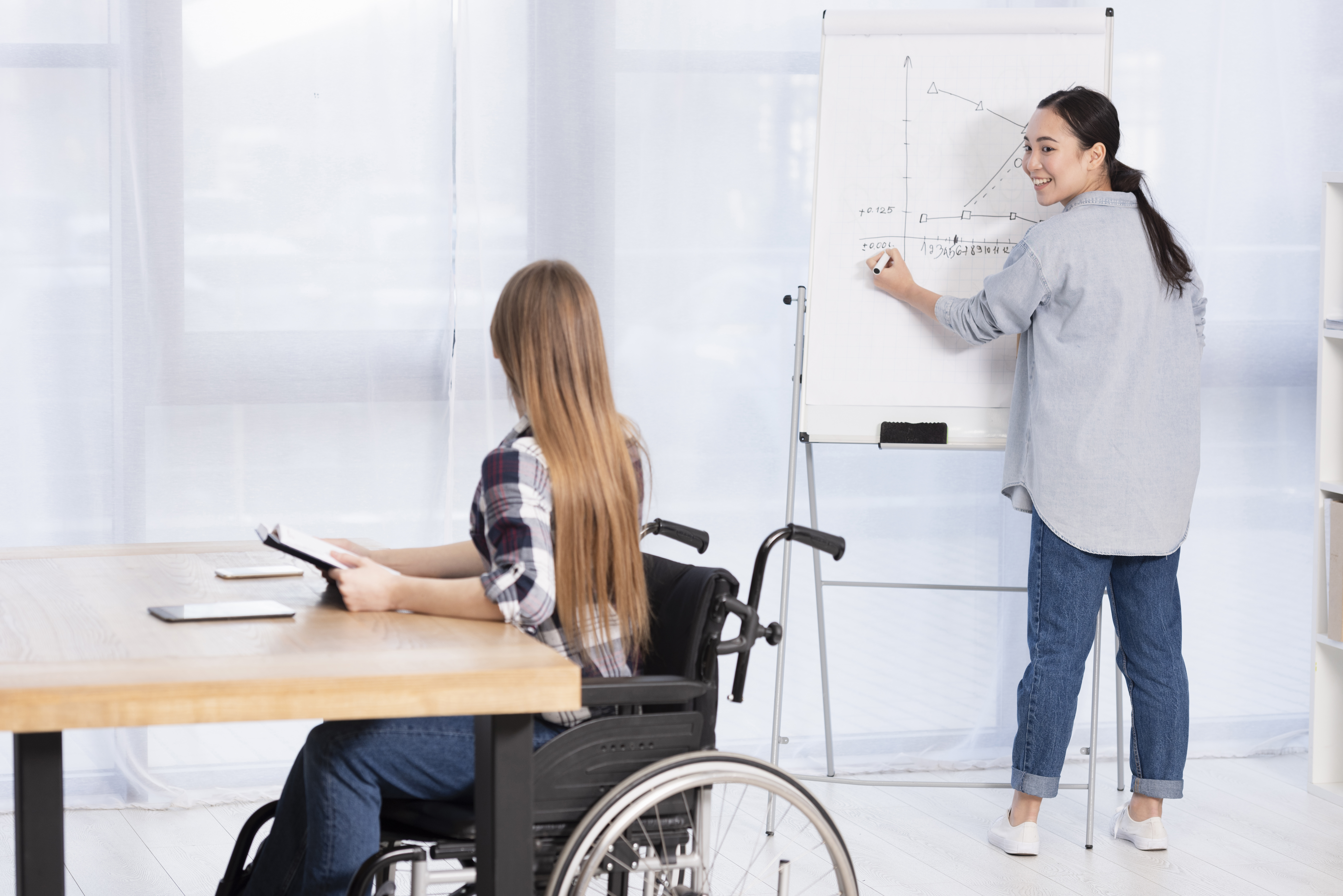
Learning disabilities are conditions that affect how a person understands, reads, writes, speaks, or processes information. These difficulties are not related to intelligence. A person with a learning disability can be very smart but may struggle with certain skills. Many children and adults face learning challenges, and with the right support such as learning disability counselling, they can improve their abilities and gain confidence.
Learning disabilities can affect school performance, work, and daily life. Early understanding helps reduce stress and makes it easier to find the right support. In this guide, we will explain the five main learning disabilities, other types of disabilities, and how learning disability counselling helps people learn better.
What are the 5 learning disabilities?
There are different types of learning disabilities, but some are more common than others. These affect reading, writing, math, and understanding information.
- 1. Dyslexia- Dyslexia affects reading and spelling. A person may have trouble recognizing words, reading fluently, or understanding text.
- 2. Dyscalculia- This affects math skills. A person may struggle with numbers, calculations, or understanding time.
- 3. Dysgraphia- Dysgraphia affects writing. A person may have messy handwriting, spelling problems, or difficulty expressing thoughts on paper.
- 4. Auditory Processing Disorder- This affects how the brain understands sounds. A person may hear words but have trouble understanding them.
- 5. Visual Processing Disorder - This affects how the brain understands what the eyes see. A person may have trouble reading, recognizing shapes, or remembering visual details.
These learning disabilities can be managed with practice and support. Learning disability counselling helps people develop skills and confidence.
What are the 21 types of disabilities?
Disabilities can be physical, mental, or learning-related. There are many types, but they can be grouped into categories.
Examples of different disabilities include:
- Learning disabilities
- ADHD
- Autism
- Speech disorders
- Hearing impairment
- Vision impairment
- Intellectual disability
- Physical disability
- Emotional disorders
- Anxiety disorders
- Depression
- Developmental disorders
- Memory disorders
- Language disorders
- Motor skill disorders
- Brain injury
- Chronic illness
- Behavioral disorders
- Sensory disorders
- Attention disorders
- Communication disorders
Each person may experience disability differently. Counselling helps people learn how to manage challenges.
What are the 11 types of disabilities?
Some common categories of disabilities include:
- Learning disability
- Intellectual disability
- Physical disability
- Hearing disability
- Vision disability
- Speech disability
- Autism spectrum disorder
- ADHD
- Emotional disorder
- Developmental disorder
- Neurological disorder
These conditions affect how a person learns, moves, or communicates. With proper support, people can live normal and successful lives. Learning disability counsellinghelps improve skills and confidence.
Signs of learning disabilities
Learning disabilities may appear in childhood, but sometimes they are noticed later.
Common signs:
- Difficulty reading
- Trouble writing
- Problems with math
- Forgetting instructions
- Slow learning
- Difficulty concentrating
- Avoiding school work
- Low confidence
- Early support makes learning easier.
How learning disability counselling helps
Learning disability counselling helps children and adults understand their strengths and weaknesses.
Counselling helps with:
- Improving learning skills
- Building confidence
- Managing stress
- Teaching new study methods
- Improving focus
- Helping parents understand the child
- Reducing frustration
Counselling does not change intelligence. It helps the brain learn in a better way.
Can people with learning disabilities succeed?
Yes, many successful people have learning disabilities.
Success is possible when:
- The right learning method is used
- Support is given
- Confidence is built
- Stress is reduced
- Strengths are used
Learning disabilities do not stop success. With the right guidance, people can achieve a lot.
When should you seek learning disability counselling?
You should consider learning disability counselling if:
- A child struggles in school
- Reading or writing is difficult
- Math feels confusing
- Learning is slow
- Confidence is low
- Stress about studies increases
- Teachers notice problems
Early help makes learning easier. Counselling supports both child and parents.
Conclusion
Learning disabilities affect how a person understands information, but they do not affect intelligence. With the right support, people with learning disabilities can learn, grow, and succeed. Understanding the type of difficulty helps find the right solution. Learning disability counselling helps improve learning skills, build confidence, and reduce stress. With guidance and patience, every person can reach their potential. Every brain learns differently, and that is okay.
FAQ-Frequently Asked Questions
1. What are the 5 main learning disabilities?
+Dyslexia, dyscalculia, dysgraphia, auditory processing disorder, and visual processing disorder.
2. Can learning disabilities be cured?
+They cannot be cured but can be managed.
3. What is the most common learning disability?
+Dyslexia is the most common.
4. Can adults have learning disabilities?
+Yes, some people are diagnosed later.
5. How does counselling help learning disability?
+It teaches new ways to learn and improves confidence.
6. Are learning disabilities permanent?
+They may stay, but skills can improve.
7. When should I see a counsellor?
+When learning problems affect daily life.